
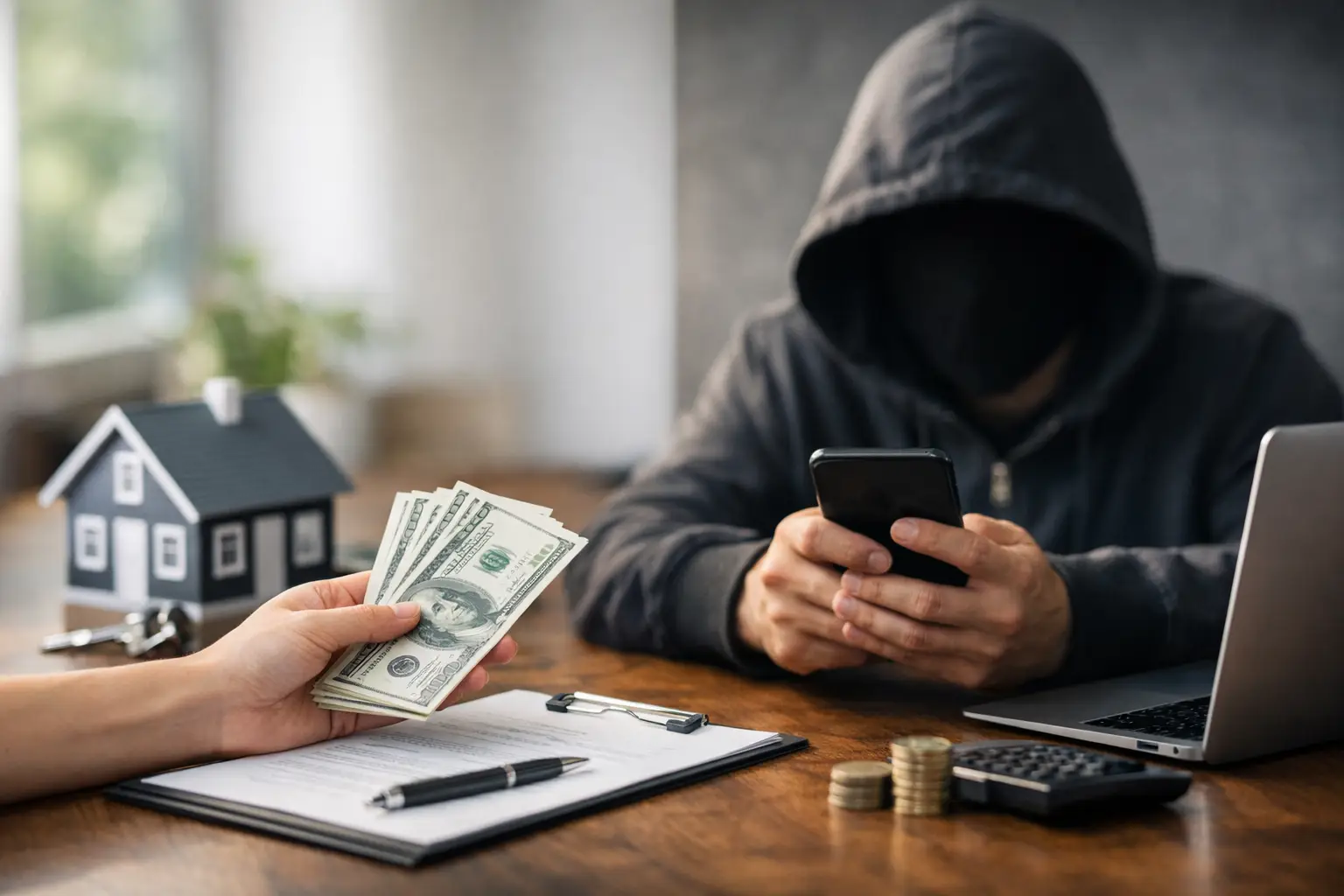
A loan scam often looks most convincing when money is tight. The message may promise guaranteed approval, instant cash, or a special rate that expires within the hour. Learning how to avoid loan scams starts with one rule: a genuine lender will give you time and clear information to make a decision. A scammer tries to rush you, confuse you, or make you pay before you receive anything.
For borrowers seeking fast financing, caution does not have to mean a slow, stressful process. It means knowing what a legitimate loan application looks like, checking the lender before sharing personal information, and walking away when the terms do not add up.
How to Avoid Loan Scams: Start With the Lender
Before completing an application, verify that the lender is authorized to operate where you live. In Singapore, licensed moneylenders are regulated under the Ministry of Law. You can check the official Registry of Moneylenders rather than relying only on a company name, social media page, or a logo displayed in an advertisement.
A professional-looking website is not proof of legitimacy. Scammers can copy company names, staff photos, licenses, and even websites to impersonate real businesses. Compare the lender's contact details, physical address, and official business information with the details shown on the relevant government registry. If the phone number or email address does not match, stop the conversation and contact the real company through its published channels.
Legitimate lenders should also be able to explain their process clearly. Ask how they assess eligibility, what documents are required, when you will receive a loan agreement, and who you can contact with questions. Vague answers, changing explanations, or pressure to communicate only through a personal messaging account are warning signs.
Never Pay Money to Receive a Loan
One of the clearest signs of a loan scam is an upfront payment request. A scammer may call it an approval fee, insurance deposit, processing charge, tax payment, security fee, or release fee. They may claim the money is refundable once the loan is disbursed. In many cases, the promised funds never arrive, and the scammer simply asks for another payment.
Borrowing does involve costs, but legitimate fees and interest should be disclosed in the loan agreement and handled according to applicable rules. You should be able to see what you are borrowing, what you will repay, when payments are due, and how charges are calculated. Do not send money by bank transfer, PayNow, cryptocurrency, gift card, or cash to an individual who says it is necessary to unlock your loan.
Be equally cautious if someone asks you to transfer money through your own bank account on their behalf. This can expose you to fraud or involvement in illegal money movements. A real lender does not need to use your account as a pass-through account.
Watch for Pressure, Promises, and Poor Details
Fast approval can be legitimate, particularly for straightforward applications with complete documents. Guaranteed approval is different. Every responsible lender needs to assess whether a loan is suitable and whether you can reasonably manage repayment. A claim that there are no checks, no documentation, or no need to discuss repayment deserves scrutiny.
Scammers often create urgency because urgency discourages verification. They may say a promotion ends today, that another applicant is waiting, or that your approval will be canceled if you do not act immediately. A trustworthy lender can explain the deadline without preventing you from reading the terms.
Look closely at the quality of the communication too. Misspelled company names, generic greetings, inconsistent loan amounts, and messages from unverified accounts are common signs of impersonation. However, polished writing does not automatically make an offer safe. The key question is whether the identity, license, terms, and payment process can be independently verified.
Protect Your Personal and Banking Information
A loan application requires some personal and financial information. That is normal. What matters is whether the request is relevant, secure, and made through a verified lender channel.
Do not share your banking password, one-time password, PIN, Singpass credentials, or full card security details with anyone claiming to process a loan. A legitimate lender should not need these details to approve or disburse a loan. Never approve a banking login, transfer, or device access request that you did not initiate yourself.
Be careful with requests to install screen-sharing or remote-access apps. A fraudster may say the app is needed to verify your identity or speed up disbursement. Once granted access, they may view account details, intercept codes, or initiate transactions. If you are unsure, close the app, do not click further, and contact the lender using a verified phone number.
It is also wise to limit what you send over messaging apps. If documents are required, use the lender's official and secure application process. Check that the website address is correct before uploading identification or income documents. A small change in spelling can lead to a fake site designed to collect your data.
Read the Loan Agreement Before You Commit
A real loan should come with terms you can review before accepting it. Do not rely on verbal promises such as “the rate is low” or “you can settle anytime.” Read the agreement and make sure it states the principal amount, interest or charges, repayment schedule, total repayment amount, late-payment consequences, and any conditions that apply.
If a lender refuses to provide written terms until after you pay a fee or sign a blank form, do not proceed. You should never be asked to sign documents with missing figures, leave sections incomplete, or agree to terms you do not understand.
Take a practical view of affordability as well. A shorter repayment period may reduce the total interest paid, but it can create larger monthly payments. A longer term can lower each payment while increasing the total cost. The right choice depends on your income, existing commitments, and the reason for borrowing. If the repayment plan appears unrealistic, declining the loan is safer than hoping the problem will solve itself later.
Check Ads and Messages With Extra Care
Loan scams frequently begin with ads or direct messages that appear on social media, search results, text messages, and chat platforms. An ad is an introduction, not proof that the advertiser is licensed. Do your checks before responding, especially when the offer is much easier or cheaper than other loan options.
Be wary of profiles that have limited history, comments disabled, newly created pages, or a contact person who will not identify the company clearly. A scammer may also use a real lender's name but direct you to a different number. Search independently for the lender's official details instead of using the contact link supplied in an unexpected message.
If you receive an unsolicited loan offer, do not feel obligated to reply. Save screenshots if the message looks suspicious, then block the sender after reporting it through the appropriate channel. Avoid sharing documents simply to “check your eligibility” until you have verified who is collecting them.
What to Do If You Think You Have Been Targeted
Act quickly if you have sent money, provided banking information, or clicked a suspicious link. Contact your bank immediately and explain what happened. Ask what steps are available to secure your account, stop pending transfers, and monitor for unauthorized activity. Change passwords from a safe device and remove any unfamiliar apps from your phone.
Keep evidence such as messages, account numbers, payment receipts, screenshots, and names used by the scammer. This information can help when making a police report or reporting the incident to the relevant anti-scam authorities. Do not continue negotiating with the scammer in hopes of recovering your money. Further contact often leads to additional demands or threats.
If you are simply unsure whether an offer is real, pause before taking the next step. A licensed, customer-focused lender will not penalize you for verifying its status or asking direct questions about fees and repayment.
Borrowing can be a practical way to manage an urgent expense, fund a project, or support a business need. The safest path is not to choose the fastest-looking offer, but the lender that is verifiable, transparent, and willing to put every term in writing before you commit.